Year’s End, A Noticing

Another year is about to turn. The sky has been thick with mist and clouds, so beautifully moody. As I drove down the country road where we’re staying in upstate New York, I noticed a tree full of noisy blue jays, looking busy and important in their fancy blue suits.

I wanted to stop and take a picture, post it on Instagram, for my fellow noticers, but I knew there was no way to get close enough, no way to capture the moment as it was happening, so I put down my phone and marveled at the beauty, just me. No documentation, no outward approval, just an impression left on my heart.

Everything on my drive to the grocery store struck me as magnificent – notice me, notice me! – the world seemed to shout and I did. I noticed the beauty of the small red barn against the gray knit sky, and the crescent of bare trees arching in the distance. I noticed with delight the snow flakes that fell and stopped in the span of a minute, the bright happy sound of water splashing beneath my tires, the bubbling rush of the stream when I paused on my drive, pulling over and capturing the conflicted sky, this time with my camera. I couldn’t resist.


left of river right of river

There are entire days, weeks, I’m sure, when I don’t notice. When my head is down and I miss dozens, hundreds, of these small magical moments. Right now, in the mid-afternoon sky, a sea of white and gray clouds skim across the top of the mountain peaks outside my window. The sun moving along with it, as if being carried by an invisible current.

How seldom I stop, how seldom I stand still enough to notice the movement of the world around me, not the frantic movement of people, including myself, not the movement across a small lit up screen that sucks me in like a vortex, but the movement in the sky, in a tree full of birds, the softness of my son’s hair pressed against my face, tickling my cheek. My daughter’s eyes, such a vivid blue, the way the cleft in her chin appears more pronounced when she is sleeping, reminding me of her infant face.

Oh, there is so much to notice. There is so much to miss.

On the drive I thought about my mother, another new year without her. This June will be nine years since her death. Then I wondered, maybe I’m wrong? Could it be eight? I actually have to stop and do the math. I used to keep track by weeks, then months, like you do with a baby. Now I am making guesses, second-guessing. It will be nine.

My mom used to joke with me about her MS, saying that at least it would give me good material. I’m sure in the moment I told her to stop, but turns out she was right. I’m still writing about her. I’m still writing her. To find her, understand her, be close to her. As I drove, amid all the beauty of the world, all the noticing, these words came out of my mouth as if she were beside me.

I’d return it in a second to have you back, mom, you jerk.

And then I laughed because calling your dead mom a jerk is kind of funny, but also not funny because in that moment I wanted to call her more names, I wanted to curse and rail at her for being dead, in that moment I was furious with her for leaving me. But in seconds the fury melted to sadness, and then gratitude, for having her as long as I did, and still do, in my heart.

This post wasn’t supposed to go here, but sometimes you have to follow the sparks, the glimmers on the road, and see where it leads you.

I intended to write about my new word of the year, and maybe a little bit about how I slacked on last year’s word, focus. But I don’t think I need to. I’m going to look forward, not back, and this year I’m going to soar.

Happy New Year, and thank you, every one of you dear readers, those I know in real life and those I hope to meet. Knowing you’re out there – in my town, across the country or an ocean – whether you’re reading my words or offering your own, or both, lifts my spirits and keeps me aloft.

Hope to see you, and maybe read you, in 2016.
Skating with My Daughter

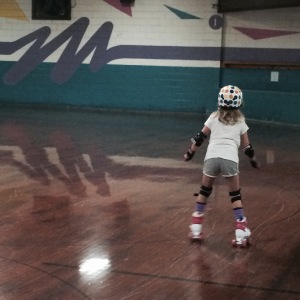
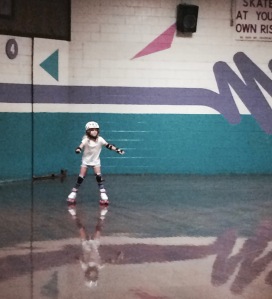
We’re flying. That’s what it feels like, though neither of us is going all that fast. She’s cautious, like me, but we’re both taking chances as the hours go by. I’m lifting my feet, one at a time, feeling the balance of my body coming and going, savoring the smooth glide. I watch her arms flap, her feet moving in little chops as she picks up speed. Her polka dot helmet shines under the disco ball lights.

It’s our date. My husband and son are at a birthday party and we’re in Frenchtown, NJ at a roller skating rink on top of a hill in the middle of an enormous field. Inside it’s like traveling back in time to my childhood. Pure 80s. Retro pink and green zigzag designs on the walls.

A worn and faded Skate at Your Own Risk sign hangs above the rink, read and ignored by multitudes, though my daughter does ask what “risk” means. Taking chances, I say as we lace up.

skate at your own risk

The skating floor looks new in some ways, polished and sleek, but if you look closely the pale wood is marred with nicks beneath layers of filler and varnish.

My rental skates remind me of the ones I used as a kid and probably just as old. Khaki tan in color with scuffed orange wheels and thin dark laces. They are worn and soft, good for my ankles with my unfortunate extra bone. I lace them up tightly. Got to protect my middle-age ankles. The fact that I’m forty years old still makes me pause. It surprises, pools my stomach with dread, and yet sometimes, delights.

The shampoo girl at the hair salon, literally half my age, gaped at me in surprise when I revealed my digits. Flattery? Perhaps. While my skin has lost some elasticity – gone is my dewy youth – and laugh lines are visible around my eyes, I’m not yet deeply marred. I balance on the cusp of my life, hopeful for more wrinkles, more time.

We skate in circles to pop songs. Boy bands, fierce girls, and grown ups close to my age belt and croon and rap around us.

When a favorite comes on, “Best Day of My Life” by American Authors, my daughter turns around and her face lights up. We skate faster.

I feel light on the bulky skates, and every now and then I am conscious of being seen, something that has evaporated since having children. Being looked at. Watched. Ogled. Not a bad thing. I hated the catcalls and running commentary when I lived in the city, but there is a kind of loss in feeling invisible.

We glide past other children, other dads and moms. I watch my daughter with a smile on my face. Despite this mask of contentment, I am vigilant. Ready. My arms are by my side, keeping me aloft, but they are poised to catch, to scoop, to rescue. That’s who I am. Call me whatever name you want. I’m a helicopter if that means feeling a ferocious desire to take care of my young.

My girl is seven, barreling toward eight. The vise of time tightens around her, threatening to squeeze us apart. I wonder, how many more years will she hold my hand, how much longer do we have to skate together, just the two of us?

There is a mother and son ahead of us. I watch and recognize their wobbly pattern. He is new at skating and his mom encourages him. I see her hand reaching out, darting away, reaching out, pulling back. He does not reach for her and remains aloft, just barely. I recognize myself in her. When we pass them, the mother and I share a smile.

At some point, my daughter falls. It’s inevitable. No longer new on skates, she’s playing at speed, taking more chances. It’s a good thing for my girl, prone to anxiety, so often fearful. Her face scrunches up in tears and I help her up.

Falling is failing to her, so I must redefine the term, the act, for us both.

It’s okay, I tell her, assuming a confidence I don’t always feel. Everyone falls. You just get up and keep going. She nods and we push off the wall.

We continue making circles and the tears dry, her face curves into a smile.

My job is a balancing act. Compassion and propulsion. I watch her, my beautiful fragile child, my strong growing girl, as she skates ahead. She wobbles, rights herself. I watch, holding my breath, and let her go.

roller skating girl

Edible Memories: Laughter

Sometimes I leap first.

When my online writing friend Stacey asked me to consider signing up for a 14-day writing group via the Inky Path, my first instinct was to say no. I barely have enough time to work on my novel, not to mention the grief course I’m creating, let alone the safety skills class I’m organizing – oh, and then there’s that whole mother/wife gig, plus my nemesis, the bottomless laundry basket.

But I couldn’t get it out of my mind. A tell-tale sign. As I kept tabs on the rising enrollment, I felt an itch, a twinge, but couldn’t tell if it was a competitive-fear-of-missing-out or the I-need-to-do-this kind of feeling. Looking back, it was probably a little of both.

One week into the Winter Joy Retreat: Edible Memories, and I’m fully immersed. It’s pretty impossible to keep up with the group’s Facebook posts (over 100 people registered, though not all post daily) but I’m trying to hold fast to my own commitment, one writing prompt each day. This isn’t easy – my kids are young and life is full, but I’m delighted to say that – so far at least – I’m making it happen. I’ve always felt like my memory is kind of bad, but each prompt seems to unlock one, two, more scenes in my mind, and I’m taking notes like mad, for both the prompts and the possibility of memoir.

I’d like to share with you my most recent prompt. The theme was Laughter (with an emphasis always on food) yet somehow I managed to turn it around to sadness (just like the character on Inside Out!). But that’s how I’ve always been. Drawn to the bittersweet, both in food and life.

Winter Joy Retreat: Edible Memories

Laughter

Thanksgiving has long been my favorite holiday. As a kid we took turns having it at our house, but after my mother’s MS diagnosis, we always hosted. My uncle, king of turkey and CEO of stuffing, would come to our house in the morning with bags of supplies, plus a bonus bag filled with appetizers from Zabar’s: salami, cheeses, crackers, olives, lox spread, and bagels.

He’d pop the prepared turkey in the oven and it would cook all day while we snacked and cracked jokes. When it came time to eat, my father would hoist my mother into her scooter and drive her into the dining room after she could no longer do so herself. We’d eat and laugh, and when all us kids were of legal age, or close enough, drink some wine.

My memories of Thanksgiving were almost always punctuated by laughter. Especially in the earlier years, before my mother’s pain became unbearable.

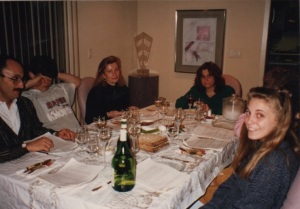
This was from Passover, but same crew, without the matzoh.

This was from Passover, but the same characters.

The house was always filled with warmth and smelled of roasting turkey and marshmallow topped yams. My uncle would always cook the main meal. My cousin Pia would always bring dessert. My mom always insisted on making, or instructing me how to make, her favorite side dish, green bean casserole. And I always had to have a slice (or two, three) of pumpkin pie topped with Cool Whip.

Maybe that’s what I loved most about Thanksgiving – the “always’s,” the traditions we had curated and nurtured over the years. We were Jewish and didn’t have the show stopper of Christmas to look forward to, so I banked all my love and hope on Thanksgiving.

Things weren’t always so rosy, of course. There were fights and tantrums, angry words and slammed doors, more so as the years edged on to darker times, but mostly I remember the laughter.

The time when my cousin Ari and I stumbled upon a very strange AOL chat room in the late 90s. Don’t ask me why or how this happened, but let’s just say we were beside ourselves with hilarity when we ended up in a conversation about fruit fetishes, among other things.

Then there was the time my grandmother got drunk. Alcohol was pretty minimal at our house, even on the holidays, but somehow she had gotten her glass refilled one time too many and ended up divulging a bizarre genetic glitch afflicting several relatives. I’m almost positive somebody spit out their mashed potatoes, or at least choked on their soda.

Laughter filled the rooms and rang through the kitchen and seeped into the walls, so that when it ended, I could feel its echo.

My mother’s last Thanksgiving was hard. There was little laughter. The mood was dour, tense. My husband and I thought it might be helpful to order dinner from Fresh Direct and bring it from Brooklyn, rather than have my uncle cook in the house since my mom was feeling worse. The king of turkey did not take kindly to what felt like a personal affront. He sulked in the kitchen eating his “take-out” meal while the rest of us sat in the family room with my mother, who was too uncomfortable to transfer from her reclining chair.

I remember feeling desperate for some levity, anything to lighten the mood, to coax my uncle out of the kitchen, to ease the tension with my brother, to make my mother laugh. But nothing worked. We sat on the couch for what felt like an uncomfortable amount of time, and I rolled my eyes at my cousin Pia when our brothers began talking of sports, not with any vigor or enthusiasm, but dully, as if they had nothing else to say. Perhaps because they didn’t.

When everyone finally left, I felt a heavy weight settle around my shoulders as I dumped the leftovers in the trash. Looking back, I wonder if my sadness was actually a sign, a warning. It left me uncomfortable. A sense of foreboding prickled up my spine.

I thought, next year will be better. Next year has to be better.

But it wasn’t, because my mother was dead.


What-Im-Writing-linky-badge

Thank you to Maddy over at Writing Bubble for hosting her What I’m Writing link-up. Check it out for more wonderful words.

Own Your Story

I never thought I’d consider writing a memoir.

Fiction is my genre. It always has been, ever since I was a little girl crafting “books” out of construction paper and crayons. When I declared myself a writer at some point in elementary school, I wanted to write stories. I wanted to make stuff up.

There’s a safety in fiction that doesn’t exist for memoir.

Maybe that’s why I kept myself firmly planted there for so long. I never had to be held accountable. I could always say, it’s just a story, if anyone bothered me about autobiographical details.

Of course every writer, no matter the genre, weaves in elements of themselves, their lives, in their work. If not things that happened to them directly, then things they observed, sensed, or felt. Creativity doesn’t happen in a vacuum. But fiction writers can hide behind a cloak of invisibility – or at least, pretend to do so – while memoirists are stark naked.

Over the last couple years, I’ve been taking some different kinds of chances. I wrote about witnessing my mother’s death and the birth of my first child, about postpartum depression and my daughter’s celiac diagnosis. Stories that belong to me, but also, in a way, to my family.

The part of me that values privacy – and secrets – wanted to muffle this new tendency. But something shifted inside me, a curiosity began to unfold.

Recently, a writer friend left a comment on my blog post that flung the door open wide open (thank you Julie Gardner).

“You have a memoir in there.”

Her words stopped me in my tracks. They sunk in and took root, even when I tried to brush them away.

They were part of what inspired my recent guest post on The Gift of Writing.

Own Your Story: Overcoming Fear About Writing Memoir is about my journey, which is still in progress, but also contains universal truths that I discovered in my research about common themes that hold people back from telling their stories.

Please take a look if you’re interested in the topic. Thank you as always for reading my words, here and beyond.


Grief and Gray Days

Today the sky is a mask.

The clouds huddle together so tightly there appears to be no sun at all, just an endless swath of dull white.

white sky day

I cried after dropping Leo off at preschool today. Not because he was crying, not today, though he did say goodbye reluctantly, clutching his stuffed purple bunny close to his chest.

On Tuesday I kept him home. He had the beginning of a cold. That’s what I told myself as we cuddled on the couch watching shows while I worked on the computer. I could have sent him. If I worked, I would’ve had to, but I have the luxury to make these decisions. Sometimes I end up second-guessing them, but not this time, not after he said this:

Chin down, lip out, my little guy said, “I don’t like going to school.”

“Why not, honey? Aren’t your teachers nice?”

Big sigh. “Yes, but I don’t love playing with them as much as you.”

This made me tear up, partly because it seemed overly generous. The truth is, I kind of suck at playing. I think I was better with his older sister, probably because I didn’t have a smart phone. No Facebook to scroll through to break up the tedium of children’s games.

I tried to make up for it by leaving my phone behind when we went upstairs to his room later that day.

We made up a game inspired by his current favorite movie, Inside Out, which I also love. If you’re not familiar, the movie centers on emotions and memories, things that I have intimate knowledge with and interest in.

Using a bunch of small gray plastic balls from a building set, we pretended they were memories. “Core memories,” he called them, referencing the movie, and then we rescued them from the memory dump, over and over again.

That’s the thing about playing with kids. They want to do the same things, repeatedly. Nothing gets old. They don’t get bored of games, and they don’t get bored of you. A gift, really.

At one point I found myself staring out the window at the tree branches moving in the breeze, most of the leaves gone, a few hanger-oners hanging on.

I was reaching the edge of discomfort, the moment when I’d normally grab my phone or reheat my coffee. The kind of moment I imagine happens during meditation or yoga, when you think you can’t sit still or hold that pose a moment longer – but you do, you can.

There is a reward in staying.

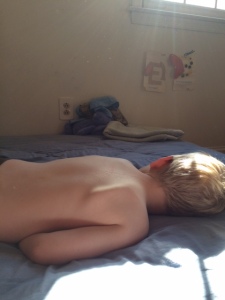
I shifted my gaze to my son, staring at the tufts of soft blond hair standing up around his head like chicken fluff. The light from the window turned it translucent, illuminating the lone freckle in the center of his scalp.

IMG_2836

I recently heard about the pregnancies of two friends, well, one is more of an acquaintance, but the other feels like a friend. These are not people I know in real life, but online. Fellow writers, mothers.

Both times I felt a deep pang upon hearing the news. A painful wrenching. It took me a while to figure out what it was.

The first time it manifested close to disgust. Another baby? I thought about what that would mean to me – loss of freedom, inability to write, onslaught of sleepless nights. It seemed like a hideous mistake. Foolishness. I backed away as if I had stumbled upon a sleeping bear, careful not to rouse it.

Then, a few weeks later, another reveal on social media. I studied the woman’s picture, while examining the twisting sensation in my stomach. The luminous smile and bright eyes, her face already glowing with the mystery and otherworldliness of pregnancy.

That’s when I understood what I was feeling. It wasn’t disgust, or jealousy. It was grief.

I have two children. The youngest just turned four and while I assume it’s possible for me to get pregnant again at forty, I don’t want to. That phase of my life, new motherhood, which encompassed the entire decade of my thirties, is over for me.

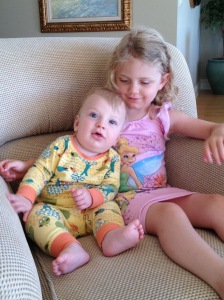
IMG_2073

Never again will I hold the secret of pregnancy inside my body or feel the let down of milk fill my breasts.

There is grief in this realization. My son stopped nursing in late June, a week before my fortieth birthday, days before I left for a writing retreat, leaving my children for the first time in my life.

He asked to nurse one last time, on the phone during Facetime. “I want to nursy,” he said in a small sad voice, using our word, and my own face crumbled for a moment. “When I get home,” I promised. But when I got home he didn’t ask, and I didn’t offer. That part of our relationship was over. Six months later, I wonder if he remembers.

Motherhood is an endless cycle of letting go, a constant reconfiguring of rules and boundaries. You have to be flexible, quick to shift and shed. These are things I struggle with in regular life, and as a mother, even more.

I wrote my congratulations, my mazel tov, with genuine love to my online friend and her growing family, while simultaneously tending to myself, as I move out of one realm and into another.


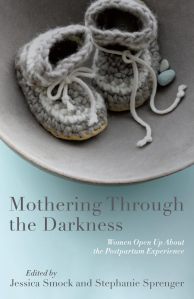
Mothering Through the Darkness: Anthology of the Postpartum Experience

MOTHERINGTHRUDARK

“My shadow’s the only one that walks beside me. My shallow heart’s the only thing that’s beating. Sometimes I wish someone out there will find me. Til then I walk alone.”  
– I Walk Alone by Green Day

I felt so lonely as a new mother. Isolated, ashamed, angry, and ungrateful. None of which was appropriate since I had gotten exactly what I wanted – a healthy baby girl.

Looking back, it was shame that silenced me. How dare I be miserable when I was holding what I wanted in my arms? So I swallowed it all, and it ate me up.

I loved my baby. Deeply. During moments of peace, when she was sleeping and I wasn’t crying with exhaustion or despair, I’d stare at her beautiful face and trace her features with my eyes, wanting to memorize every curve, every angle. I relished the shape of her sweet bow lips, the delicate slope of her nose, the way her chin met her throat, the way that throat would undulate with milk, even in her dreams.

I loved my daughter. But I didn’t love myself. Many days I was full of self-loathing for failing at motherhood. For not loving it enough. For not feeling grateful enough. For not excelling at it, acing it, as I had many things in life.

All around me, other women seemed to have it together in ways I did not. As the months went by, and years, this grew more apparent and deepened my shame.

I never sought help and I was never diagnosed with postpartum depression. I answered the questions the midwife asked at my check-up and came out “clear.” But my perceptions of PPD were wrong. Just because I didn’t feel compelled to injure my daughter or myself didn’t mean I wasn’t hurting deeply.

What I needed was the voices and compassion of other women, other mothers, reassuring me I wasn’t alone. I needed the kind of help my father and husband couldn’t offer me, though they tried.

That is why this anthology, Mothering Through the Darkness, edited by Jessica Smock and Stephanie Sprenger of The HerStories Project is such an important book. It would’ve been a lifeline for me.

In a marketplace where there is a glut of books about prenatal and infant care, where are the books about mothers? Where are the books about PPD in all its nuances and variations?

Now there are thirty-five stories, including my own, “Afterbirth.” Writing it helped release years of pent up pain and shame. I cried as I typed, the words pouring forth, as if they had been waiting for a way out.

When the beautiful book finally arrived, I was thrilled, but a little hesitant to read it. Would I be triggered by my co-contributors’ painful stories?

To my surprise, the answer is no. If anything, I am buoyed by our similarities, by the facets of my story that I recognize in theirs. The commiseration that I longed for seven years ago has been gifted to me now.

If you know of a woman in the maelstrom of new motherhood, or recovering from it, please consider letting her know about this book. Or perhaps, pick it up yourself.

No one should walk alone.

Becoming Mother: Book Review

becoming mother cover

“New mothers need to hear the other voices of the postpartum period – ones that talk about the scary, the unpleasant, the embarrassing, and the downright soul-testing. We need to tell these stories because there is comfort in seeing that we are not forging an entirely new path. In fact, we are walking in the footprints that other mother have left behind.”

– Becoming Mother by Sharon Tjaden-Glass

When Sharon asked me if I’d be interesting in reading and reviewing her book, Becoming Mother, I immediately said yes. From what I read on her blog, and through our online conversations, her ideas about motherhood meshed with mine and I couldn’t wait for it to arrive.

But when it finally did, I stared at the beautiful cover and hesitated.

The idea of traveling back to my grief stricken pregnancy and intensely challenging postpartum period was like gazing into a deep well, whose cold dark interior I knew intimately, and for the most part, tried to avoid.

I had delved back there last year when I wrote an essay that is now part of the anthology, Mothering Through the Darkness. But it’s become apparent to me that the transformation into motherhood is not something easily exorcised – and maybe it shouldn’t it be.

When I finally took the plunge and began reading, I became instantly immersed in Sharon’s story of her pregnancy and childbirth. Yes, some of my painful memories rose up, but I forgot about the flip side – how light almost always accompanies the dark.

I remembered lying on the floor after huffing my way through a tortuous pregnancy workout DVD, and how the instructor would say in her adorable lisping French accent, “Now lie down and connect with your baby,” and I felt my future daughter flipping and gliding beneath my fingertips. Reading Sharon’s description of a similar moment, I was transported back to my own magical moment.

That’s why Sharon’s book is not just a guide for new mothers, but any woman interested in stepping back in time. There are gifts of memory and wisdom to be gleaned from retrospection, and realizing the complex and often contradictory feelings of new motherhood are not unique or unnatural, but a shared journey.

The Review

Becoming Mother is divided into six main sections, starting with Pregnancy and going all the way through the first year postpartum. Sharon writes in present tense pausing between sections with a thoughtful reflection. This unique structure keeps the pace brisk and offers the reader breathing room during transitions.

Not unlike active labor.

One thing I particularly appreciated is how the book maintains a sharp focus on the mother’s experience even after the baby is born. Instead of the mom getting shunted off to the sidelines while the newborn takes the spotlight, we remain with Sharon as she processes her physically and emotionally taxing labor and delivery.

With eloquence and clarity, she explains the ramifications of her doctor forcibly breaking her waters (without permission) and another doctor’s cold comments while stitching her up. These moments leave scars, as deep as any C-section, yet invisible to the naked eye. Sharon boldly pokes holes in the popular yet condescending mantra, “all that matters is a healthy baby” with her honest and wrenching account.

While she opted for, and succeeded in having, a natural birth, this book in no way fits tidily into any single style of mothering. In fact, Sharon blows up the assumption that mothers should opt for one style over another, encouraging women to pick and choose what works for them and their babies, and to honor flexibility over any dogma or parenting camp.

We follow Sharon into the heady and delirious days of new motherhood and for her in particular, the painful struggle with breastfeeding. She goes into great detail about this specific challenge, and what initially feels like failure.

A relatable and painful subject for many women, but any mother will certainly understand the hard-earned lesson of reality knocking against theory.

When we’re pregnant we make decisions and proclamations that often get thrown out the window when the baby arrives, thus, the crucial need for flexibility and self-forgiveness. It’s okay to change your mind, or your mindset.

Sharon captures the beauty and awe of new motherhood, as well as the less glamorous aspect of anxiety and loss with thoughtfulness and clear-eyed intelligence.

The first year of motherhood is trial by fire. No matter how much preparation or research you do, nothing can truly prepare you for the change in lifestyle, change in self, loss of identity, and the need to forge a new one.

Yet most of us try to find answers. We take classes, read books and blogs, and ask friends. Pregnant women, and their partners, are often desperate for knowledge. But most stories we hear tend to be on the extreme ends of the spectrum.

There’s the horror story variety: “My labor was 37 hours long and I almost tore in half,” and of course the classic, “You’ll never sleep again!”

While the other side oozes with pure joy and positivity: “I fell in love with my baby right away!” and, “I can’t imagine life without children.”

Neither extreme – no matter how true for the teller – is helpful for new mothers, most of whom are craving realistic answers that fall somewhere in the middle.

On the last day of my childbirth class, I remember one father asking our instructor the question on all of our minds. “But what is it like?”

We all knew what he meant by “it.” He wasn’t referring to the topic being addressed; he wanted to know what being a parent looked like, felt like. He wanted details, minutia. The truth.

I remember people laughing a little, nervously, because we all knew the question couldn’t be answered, certainly not in a few pithy lines on our way out the door. Yet we listened and hung on every word, hoping for some wisdom to carry us to the other side.

This is what Sharon’s book does – she invites the reader to come along with her on the journey of pregnancy, childbirth, and new motherhood and doesn’t hold back. She gives readers the truth, her truth, of course, but with universal sentiments and her own hard-earned wisdom.

“It’s not about being a good mother. It’s about being the right mother. For this child. In this moment… seek to be the right mother. Every day. And if you can do that, you can find peace in the chaos of motherhood.” (page 266)

Becoming a mother is not something that happens in an instant when the baby arrives. It’s something that continues to happen, for years, maybe for the rest of our lives as our children grow up, and one day, grow away.

Magical Thinking

A book arrived at my home the other day and I greeted it with much anticipation. The cover looked like candy, but I knew what was waiting inside was even better.

big magic

Elizabeth Gilbert chose the perfect title for her book about creativity. I devoured it within forty-eight hours, maybe less. It’s the kind of book you can literally open to any page and find a glittering gem of inspiration, a quote to hang on your wall, or keep close to your heart. She encourages curiosity, discipline, persistence, and play, among other things.

Persistence is key for me right now, and more specifically, persistence with the possibility of no pay-off. Gilbert nails all my fears and anxieties with this quote:

There is no guarantee of success in creative realms. Not for you, not for me, not for anyone. Not now, not ever.

Will you put forth your work anyhow?

The answer, simply, is yes.

I wrote about how I arrived at this conclusion on The Gift of Writing in an essay called, Magical Thinking: Creating Despite the Odds. Please visit me there if the topic resonates.

I’d love to hear what you think about persistence, and what passions you may be following with no guarantee of commercial success, and what keeps you motivated.

Living Hands Free

My family and I spent our last week of summer break on vacation in Cape May, a beautiful coastal town at the southernmost tip of New Jersey. As we drove past the last exit on the Garden State Parkway, Exit 0, we all exclaimed in excitement. There’s something special about coming to the end of something, or the beginning.

family bay

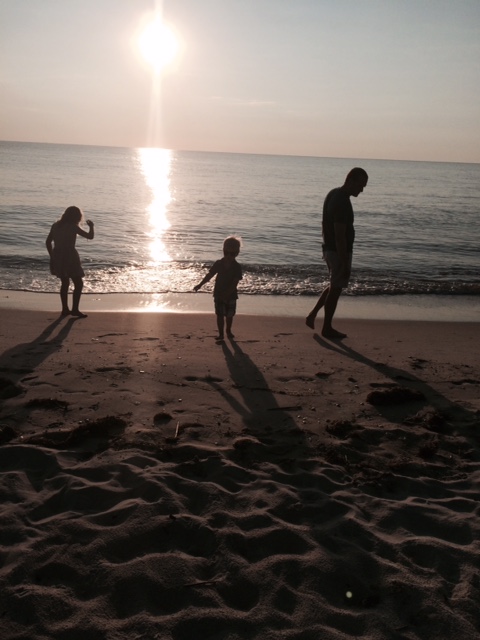
I made an important promise to myself before our vacation began – I would live “hands free,” inspired by Rachel Macy Stafford’s mantra. While I could use my phone to take pictures, and I must admit to posting a few on Instagram, I banned myself from all other social media, including Bloglovin, and restricted emails to emergencies only.

This is something I’ve needed to do for a while now, because technology has become a means of escape. It’s how I shut down and tune out. My family, that is.

family silloutte

The world within my phone is vibrant and engaging – it truly is! – and many of the friendships I’ve formed are genuine, but they are only one facet of my life. The other facet is the one vying for my attention while I scroll through Facebook, listen to podcasts, and click on an endless stream of articles and blog posts.

It wasn’t always like this. When my daughter was born seven years ago, smart phones were new. My phone had no Internet connection, no touch screen. My only way of connecting with the world beyond the confines of daughter’s nursery was texting, which even then wasn’t something I did often.

Four years and another child later, I had a smart phone and used it so frequently, that when my son was less than two, he’d toddle into the living room after a nap and hand it to me.

Don’t get me wrong. I’m not against having access to a world beyond my world, and I think it helped me get through some dark nights of endless nursing and wake-ups. But like anything used in excess, it spiraled out of control.

That’s one reason why I leapt at the chance to review Rachel’s new book, Hands Free Life: 9 Habits for Overcoming Distraction, Living Better & Loving More.

hands free life

I’d been reading and connecting to her wisdom through blog posts and articles for over a year. I even bought one of her beautiful bracelets, only love today, but I still struggled.

Then I read this passage in her book’s introduction:

Keeping track of life is much more than going through the motions of putting down the phone, burning the to-do list, and letting go of perfection. It’s something deep. Lasting. Permanent. It’s a conscious decision to focus on what really matters when a sea of insignificance tries to pull you away.”

That’s when it clicked. Yes, I bought a bracelet and nodded my head through her posts, but I had yet to make the practice a part of my daily life. Like anything worth fighting for, it takes effort.

There is a fear in choosing presence, in really seeing the people around you, in being seen. But there is more danger in not doing so.

On vacation, I took my children, one at a time, into the ocean. My daughter is a strong swimmer for a seven year old, and we went deep, but I held her arm and kept her close that first day.

I grew up with a beach loving father who instilled an appreciation and fear in the power of water. Never turn your back on the ocean, he’d say, and those words remain etched in my mind. As the waves came rushing toward us, I taught her the lessons my father taught me. She smiled and laughed as we bobbed up and down. As the days passed, she became braver, letting go of me and relishing the big waves, ducking down while pinching her nose shut, and coming up laughing.

I laughed along with her, but inside I was on high alert, never letting my attention waver for a moment. The ocean was rough during our visit, the tidal pull insistent, relentless. A reminder that it only takes a moment, for a life to be taken.

Later, as the soreness spread down my arms and legs, I thought about how fully present I was in the ocean. There was too much at stake to be distracted. I felt responsible not just for my daughter’s pleasure, but her life.

As I finished Rachel’s book the next day, I realized presence is a choice I can make every day.

My children know I love them in a big picture kind of way, but I also want them to bask in the warmth of my undivided attention.

Not every second of the day, of course. There will be times when we drift away, like my daughter did in the ocean, testing her skills and independence, and the same goes for me, when I’m off doing my work, my writing. But when I’m with my kids, I want to be with them, as if our lives depend on it.

Because they do.

These lessons, and so much more, are in the pages of Hands Free Life, a book of which I am certain has set the wheels of my life in a different kind of motion. Changes have already shifted our family dynamic in our house.

My daughter, who has her own only love today bracelet in lavender, asked me about the book. In a matter of days, she was saying things like, “Live hands free, mom,” with a gleam in her eye. She reminds me to put down my phone, and I do.

We also made our own version of Hands Free house rules, inspired by Rachel’s, as seen in her book and in the beautiful wood frame below.

Our version of Hands Free Rules inspired by Rachel's.

If you want to make changes in your life that reflect your heart, you can pre-order Rachel’s book (offer ends September 7th) and receive a free digital copy of her New York Times Bestseller, Hands Free Mama. A book that I’m about to read next.

Bittersweet

Summer is ending and as always I’m feeling bittersweet about the impending transition. I can hardly believe in two weeks I’ll have a second grader and an almost four-year-old preschooler.

Even my daughter is in awe of her rising elementary school status. She keeps saying, mom, I feel like I was just in kindergarten! Yup. I hear you, kid. Me too.

I can still see her posing shyly in front of someone else’s brownstone in Brooklyn because we were too flustered to take a picture before leaving our apartment.

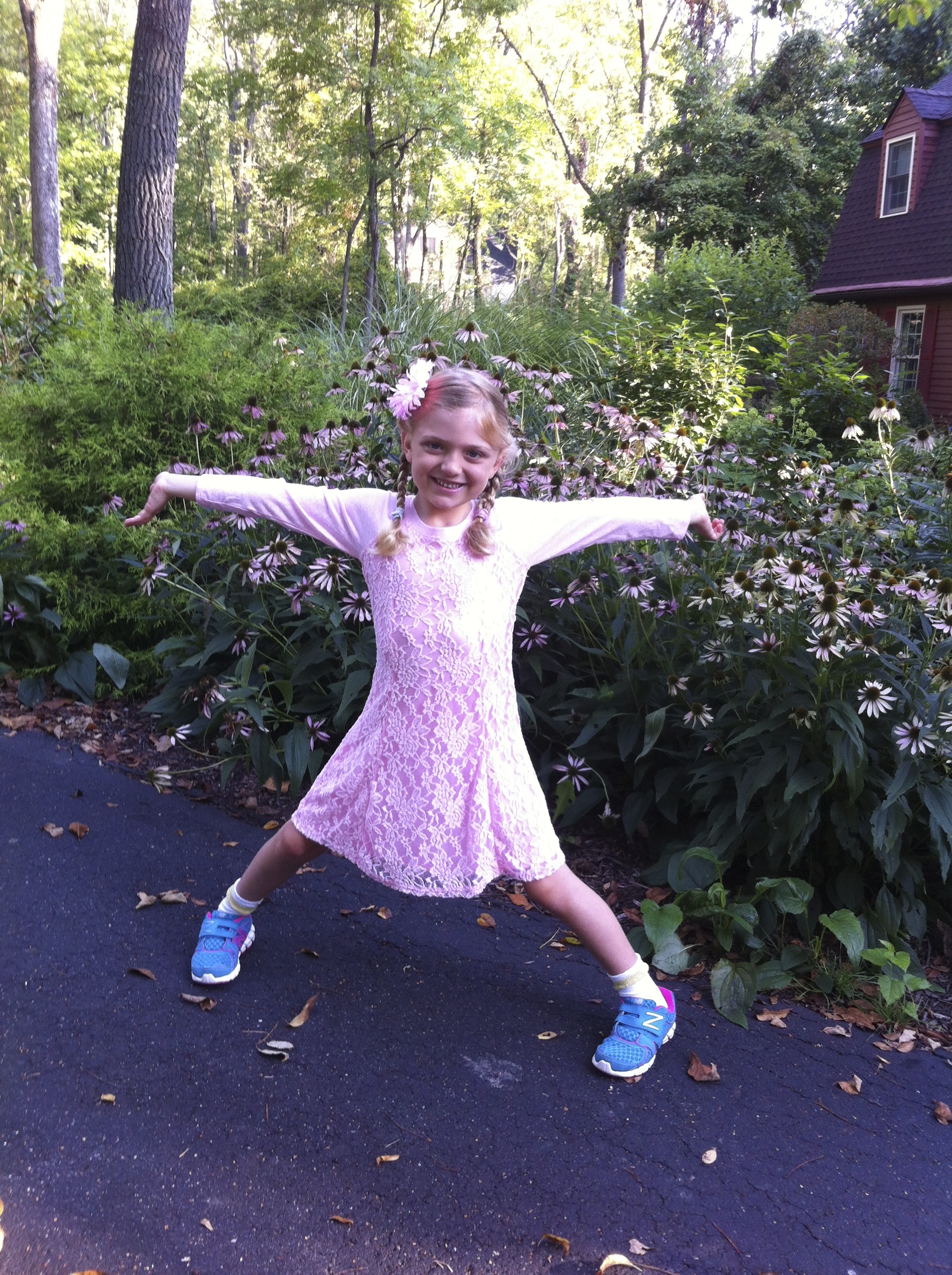
kindergarten 2013

Fast forward a year, a first grader in New Hope, PA, our brand new town, walking through those double doors without me, knowing not a single person. My brave girl.

first day of first grade 2014

Now, here we are, on the cusp of another year. But first: summer.

Summer with kids is always a challenge, as well as a gift. The grinding schedule of school suddenly screeching to a halt, like a city bus we’ve been evicted from, the wheels still turning, as we stumble to find our footing.

With only 3 weeks of camp starting at the end of July, we had many days to fill, and yet, somehow, they blew by. There were touch and go moments of sanity (mine) and some freaking out (everyone’s), but here we are at the end of August, the finish line of this short season in sight, and my heart aches at the upcoming shift.

Before I began writing this post, I studied my phone calendar, trying to figure out where the time had gone. What had we done to fill those days? Did I fail to take advantage of our first summer in our new town? Scrolling through my pictures proved otherwise.

Summer Checklist Highlight Reel

1. Eat LOTS of ice cream. Check.

Dilly's Corner. No, we can't eat any of the fried gluten food, but the soft serve and Philadelphia Italian Ices are GF.

Dilly’s Corner. The soft serve is GF.

2. Go all out for the 4th of July fireworks display. Check. 

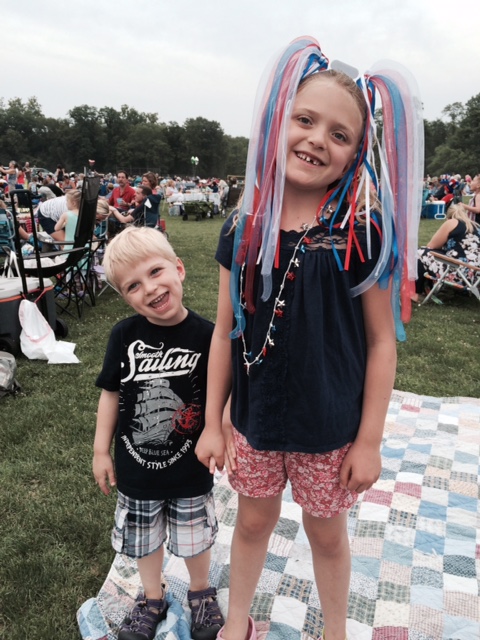
summer fourth of july

3. Go to the beach at least once, more to come. Check.

Asbury Park, NJ. Not to be missed.

Asbury Park, NJ. Not to be missed.

4. Host family gatherings and insist on very long, hug-filled goodbyes. Check. 

Farewells are not easy.

5. Spend time in nature. Check.

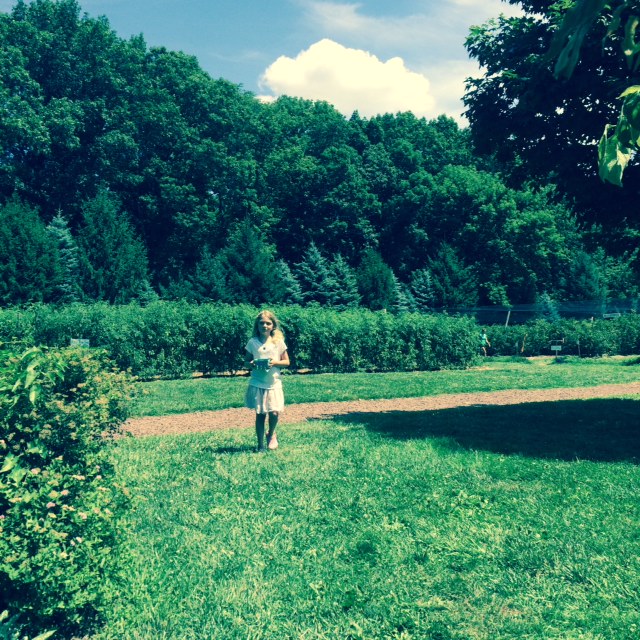
summer nature boy summer nature girl

6. Do a ton of arts & crafts. Check.

summer arts and crafts

Painting fairy houses on the driveway.

7. Get your nails done and let your kid pick the color. Check. 

I have to say, silver might be my new favorite shade.

Silver might be my new favorite shade.

8. Act silly. Also, take full advantage of the ice cream truck. Check. 

summer crazy

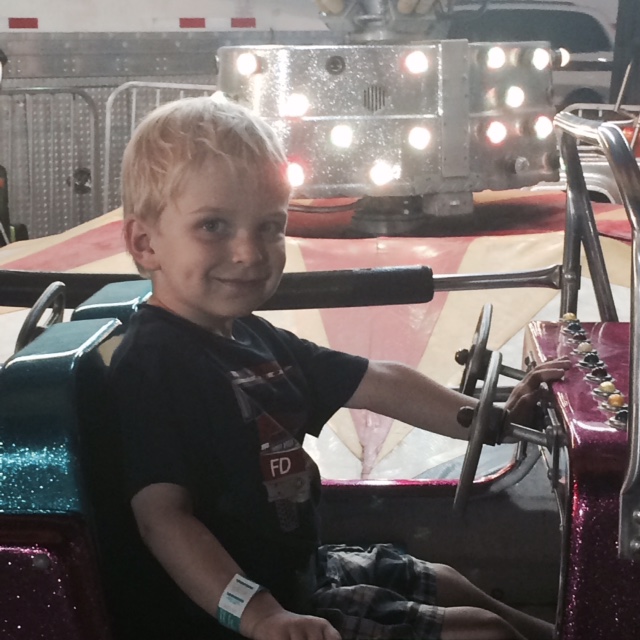
9. Go to local fairs and carnivals. ALL OF THEM. Check. 

He got the sparkly pink car. Score.

10. RELAX. Check. 

Summer relax

I love that this was taken the day AFTER the last day of school.

Turns out, we had a lot of fun this summer in the midst of craziness, whining, and all around lunacy. Basically, life as usual, but with no homework and lots of pool time. Not a bad way to spend a couple months.

Did I get much writing done? Not a ton, but more than I expected. There was my successful Highlights trip where I finished a draft of my novel, plus I wrote my first guest post series on The Gift of Writing.

But the best thing I did for myself was to surrender to summer, because fall comes around way too fast.

I’m leaving you with one of my favorite recipes to help ease you into the new season.

Cranberry Orange Muffins (Gluten Free)

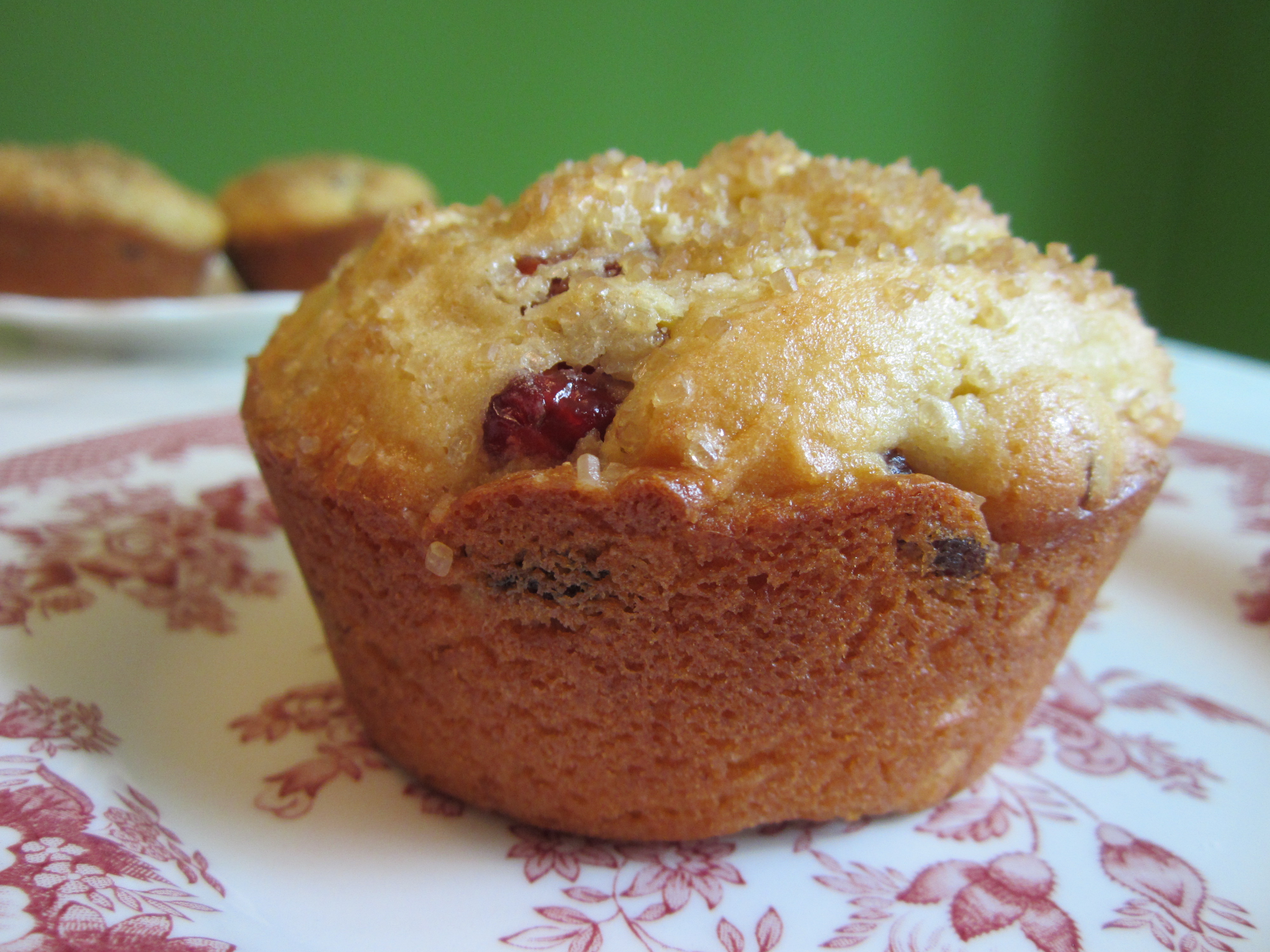
cran orange w background muffins

This muffin is the perfect blend of summer and autumn. Also, completely irresistible, according to my husband’s sweet tooth. They usually disappear within a day – or less.

If you don’t have to be gluten free, check out this Food Network recipe made with white flour that inspired my creation. But if you dabble in GF, definitely give these a try. They are worth the effort.

Ingredients:

  • 1 stick (8 tablespoons) unsalted butter at room temperature
  • 1 cup sugar
  • 2 large eggs
  • 1 teaspoon vanilla extract
  • zest of one medium-sized orange (preferably a juicy one)
  • about 1/4 cup fresh squeezed orange juice (1 to 1 and a half oranges)
  • 2/3 cup of dried cranberries
  • 1 1/2 cups gluten free flour blend (I use Better Batter)
  • 3/4 teaspoon xanthan gum (omit if your flour blend has it already)
  • 2 teaspoons baking powder
  • 1/4 teaspoon salt
  • 1/2 cup of full-fat or low-fat sour cream
  • raw sugar to sprinkle on top of each cupcake before baking (if desired)
  1. Preheat your oven to 350 degrees F. Generously grease a 12-cup muffin tin OR a jumbo 6-cup muffin tin with butter or cooking spray and set aside.
  2. Zest orange and set aside. Squeeze juice and run through a sieve to eliminate pulp and seeds. Place juice in a small saucepan with cranberries. Bring to just a simmer over medium heat. Remove pan from heat and set aside so the cranberries can cool and plump.
  3. In a large bowl, mix (by hand) butter and sugar until creamy and fluffy. Add the following ingredients one at a time, stirring well after each addition: eggs, vanilla, orange zest, flour, xanthan gum (if necessary), baking powder, and salt. Beat to combine. Continue stirring until the batter becomes thicker and slightly more elastic, which means the xanthan gum has been activated. Add sour cream to the batter and mix until combined.
  4. Finally, fold the cooled cranberries and orange juice into the batter. Do not over mix.
  5. Divide the batter evenly among the muffin cups – for those who enjoy being extra precise, use an ice-cream scooper. Top each muffin with a generous sprinkling of raw sugar if desired.
  6. Bake in the center of a preheated oven for about 18-20 minutes, until a toothpick inserted into the center of a cupcake comes out clean. Cool for 5 minutes in the muffin tin and then transfer to a wire rack to cool completely.

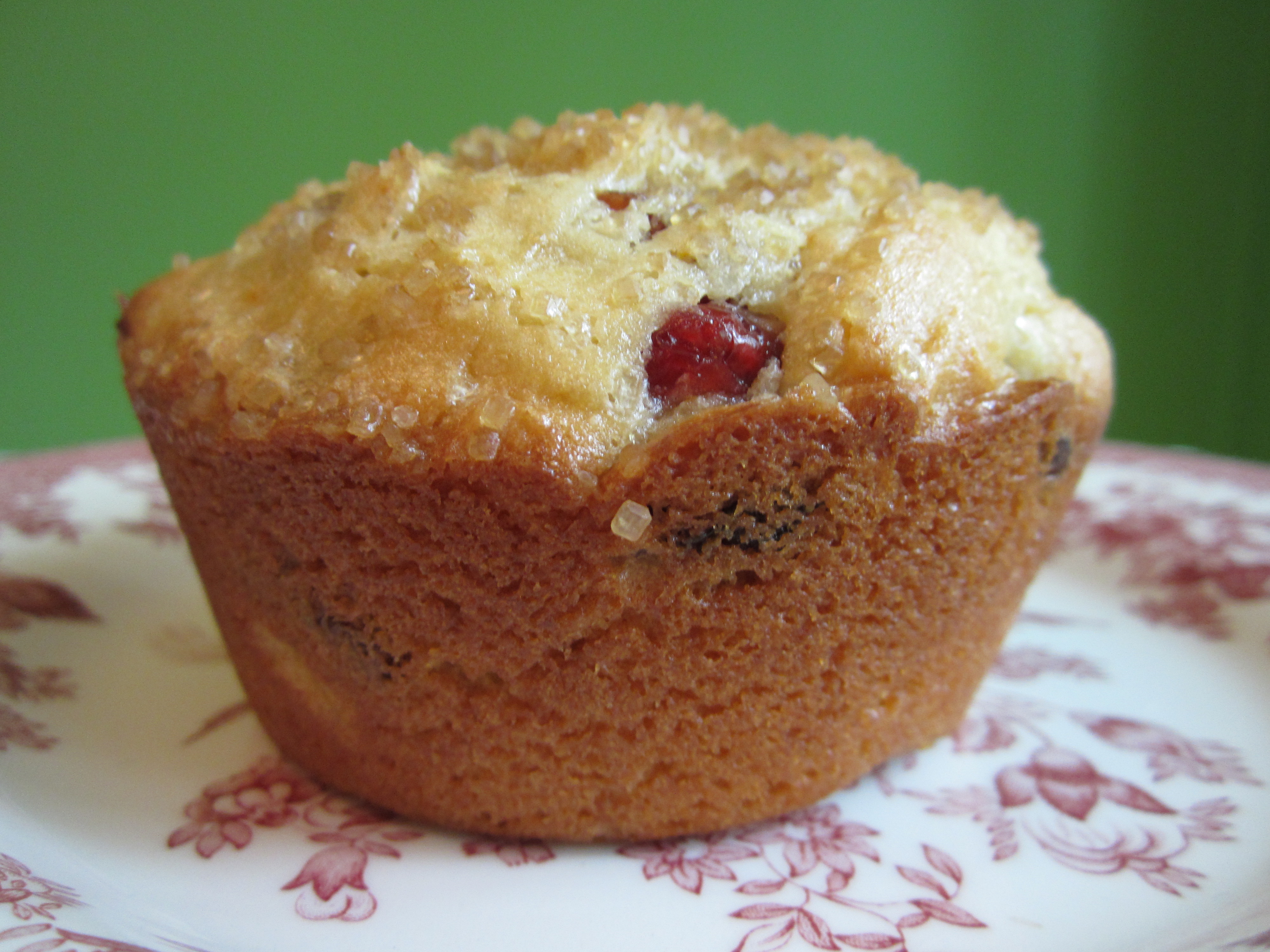
cran orange cloe up

Eat and enjoy! They go fast…just like summer.